Lou Peralta: The Summit
A Lifetime Of Racing, Promoting, Building Things—And Never Being Afraid To Try Something New.
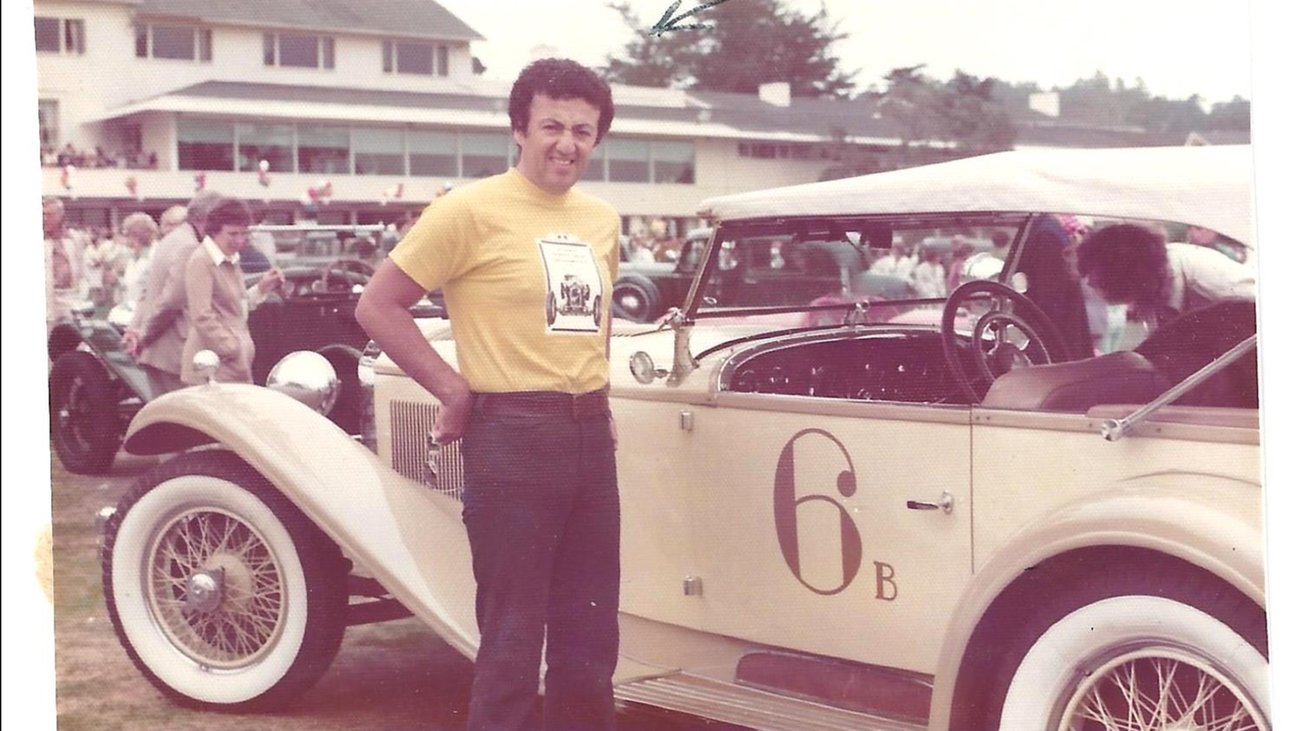
A Lifetime Of Racing, Promoting, Building Things—And Never Being Afraid To Try Something New.
Some people spend their lives doing one thing really well. Lou Peralta was never one of those guys.
He raced motorcycles. He promoted races. He published magazines. He built skate parks. He got into RC racing. He put on events all over Baja. He was one of the early people to recognize what UTVs could become. And whenever you talked to him, there always seemed to be another idea, another race or another thing he wanted to try.
That was Lou. He didn't seem particularly interested in sitting still.
I had the chance to sit down with Lou and talk about his life, and what came through more than anything wasn't a list of accomplishments. It was the way he looked at things. He saw an opportunity and wondered if he could make it work. Sometimes he had no idea how he was going to make it work. He just started.
And that attitude probably goes all the way back to a motorcycle and a young guy who got hooked on racing.
It Started With a Bultaco
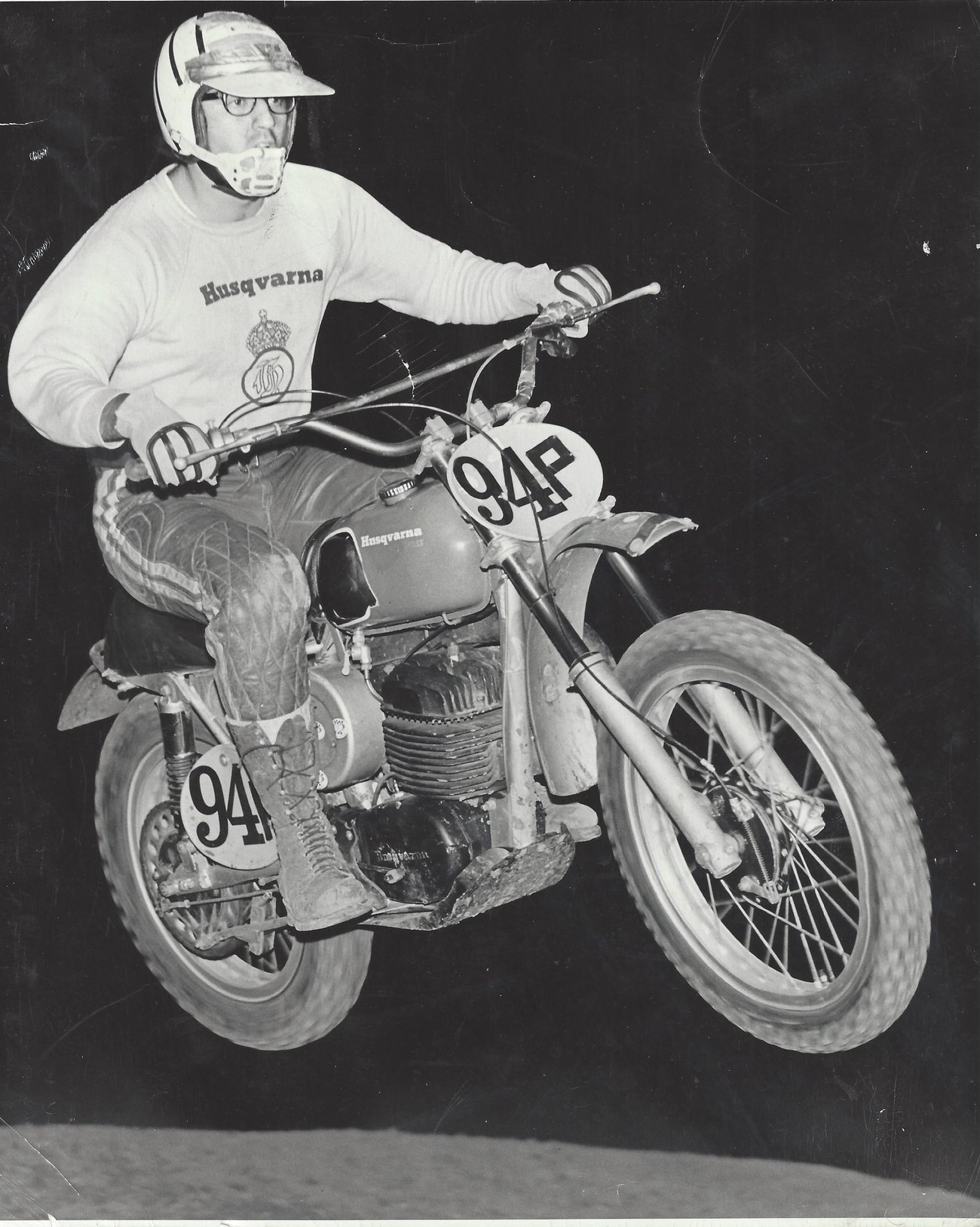
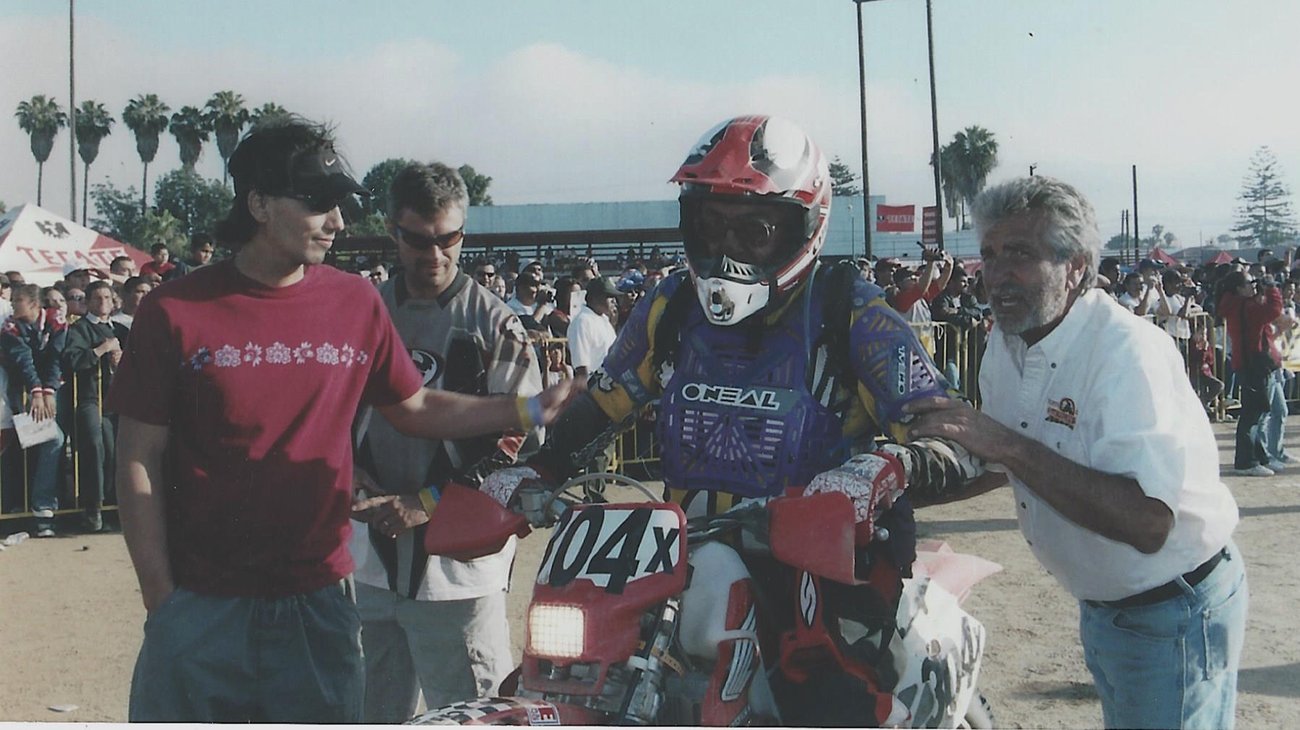
Lou got into motorcycles in 1966. His brother-in-law was riding, and Lou figured he'd give it a shot. He bought a Bultaco, took off the lights and everything he didn't need, and turned it into a dirt bike. Then he started racing.
Ascot. Motocross. The desert. Pretty soon he was racing almost every weekend.
"I got the bug," he told me.
That's really how it started. There wasn't some master plan to build a career in off-road racing. He just liked motorcycles, he liked competition, and he liked the challenge.
By around 1970, racing had become a pretty big part of his life. And like a lot of people who get into this sport, it wasn't necessarily about beating the guy next to you. It was about seeing what you could do.
Lou learned that lesson the hard way in the Tecate 500 Enduro in the early 1970s. He was involved in a head-on collision and badly injured his knee. He still had a long way to go.
Most people would have called it a day.
Lou didn't.
He kept riding, mostly in first gear, trying to keep the bike moving. Eventually he ran out of fuel. It was around midnight when he was finally found.
Looking back on it years later, Lou didn't tell the story like some great heroic achievement. He talked about it more like a lesson. There comes a point when you think you can't go any farther. Then you have to figure out how to keep going.
He called that point the summit.
"If I can get through the summit, I can get through this."
That phrase stayed with him for the rest of his life. And there were going to be plenty of summits.
The Race That Changed Everything
Lou never really set out to become a race promoter. That part just kind of happened.
He had gotten involved with people in the Baja racing community and had become friends with some of the names who were already well established in the sport, including Sal Fish and Mickey Thompson.
In 1985, Lou was asked if he could help get them involved with a race in San Felipe. So he organized a barbecue.
Sal showed up.
Mickey didn't.
Lou was left with a bunch of people expecting a race and no race promoter.
Then a representative from Tecate Beer walked up to him. He handed Lou a check for $7,500.
"Here. You do the race."
Lou looked at the check. Then he and Lois looked at each other. They figured, why not?
So they did it.
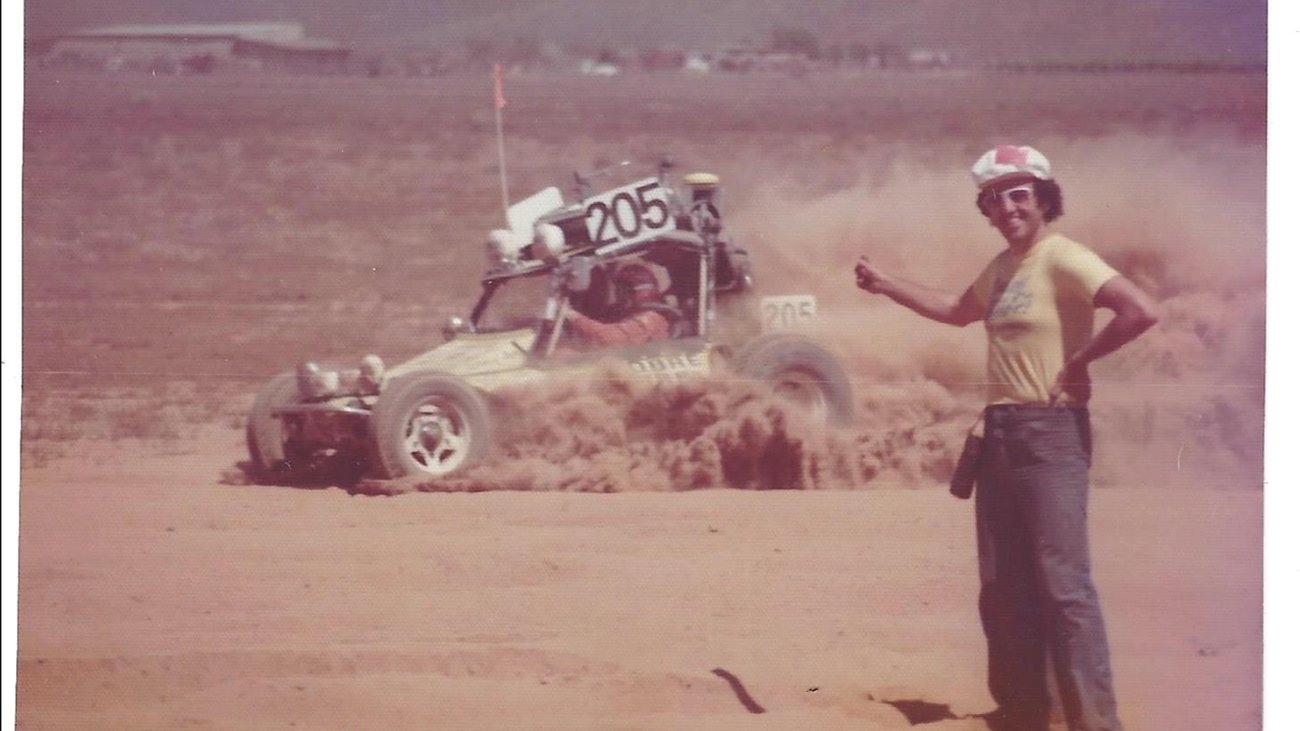
That first race drew around 140 entries. And then somebody wanted another one. Then another. Before long, Lou wasn't just putting on a race in San Felipe. Baja Promotions was producing events all over Mexico. San Felipe, Mexicali, Tecate, Ensenada and Rosarito Beach became part of the schedule, along with motorcycles, ATVs, off-road vehicles and jet skis. At one point, they were doing as many as 22 events a year.
Twenty-two.
Think about that for a second.
And this was long before you could sit at a desk and schedule a post on Instagram, send an email to 70,000 people and have the results of a race online five minutes later. Everything had to be done the hard way.
Giving People a Way to Race
One of the things Lou was most proud of wasn't necessarily the number of races he put on. It was who got to race them.
He saw that a lot of Mexican racers couldn't afford to compete in some of the bigger events. So instead of trying to make every race bigger and more expensive, he went the other direction.
Keep the entry fees reasonable. Get people in the door. Let them race.
It worked.
People came. And then their kids came. And eventually their grandkids.
Lou talked about seeing people years later and not even recognizing them at first. Then they'd remind him who they were.
"Hey Lou, you remember me?"
And he'd realize that he'd known their family for decades.
That meant something to him.
He wasn't just putting on races. He was helping create a racing community.
"I think that was our biggest contribution to racing here in Baja," he told me.
That's probably something that doesn't show up very well on a résumé. But it's the kind of thing that lasts.
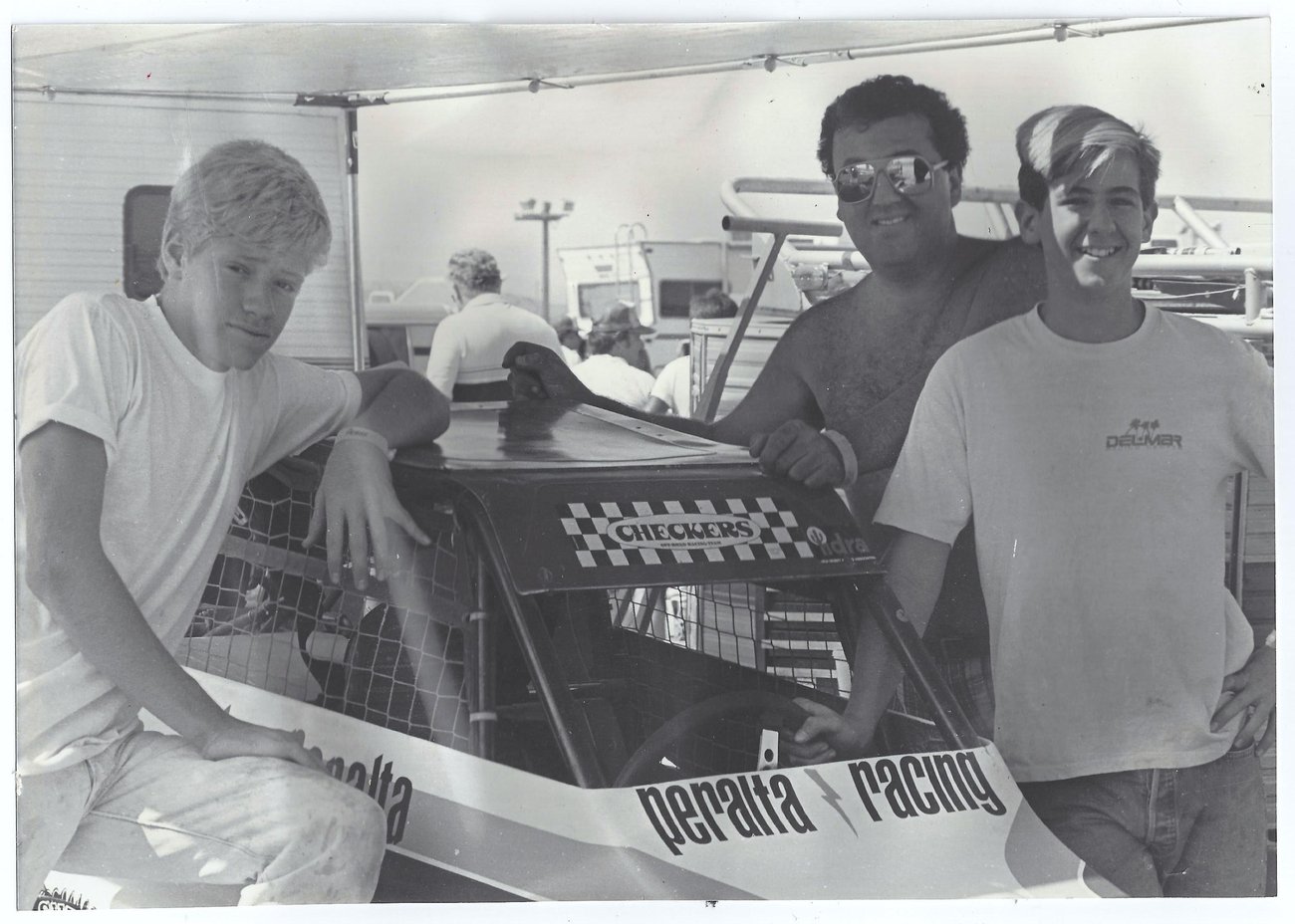
"If It Throws Dirt, We Cover It"
Lou also understood something that a lot of promoters didn't. If you wanted to grow racing, you had to communicate with the people who actually cared about it.
This was before Facebook. Before Instagram. Before YouTube. Before any of us carried a television station around in our pocket.
So Lou started a magazine.
On Dirt Motorsports.
The name pretty much told you what it was about. If it involved dirt, they wanted to cover it. Motocross, desert racing, Supercross, flat track, RC—whatever people were doing with wheels and dirt, Lou wanted it in the magazine.
At its peak, On Dirt had around 80,000 subscribers. And, once again, it became a family affair. Laurie was editor-in-chief. Leslie handled the business side. Lonny worked on artwork, photography and creative. Lois was involved in the whole thing.
The family wasn't just watching Lou chase these crazy ideas. They were in the middle of them.
Lou Saw The UTV Coming
Long before UTV racing became the massive part of the off-road industry it is today, Lou was paying attention.
And what he liked about UTVs wasn't just the machines. It was what they did for the sport.
You could walk into a dealership, buy one and go racing. You didn't have to know how to build a race car. You didn't necessarily need a huge shop or a fabrication crew. And with four seats, you could bring your family.
Lou understood what that meant.
A kid could sit next to his dad. A wife could go along. A family could spend a weekend racing instead of somebody disappearing into the desert by themselves.
He saw UTVs as a way to bring more people into the sport.
And he was right.
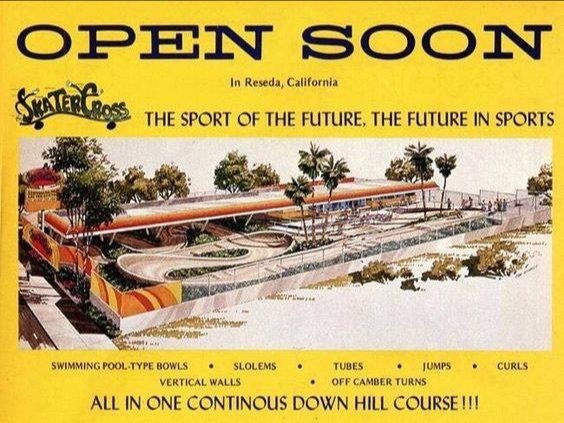
The Skate Park
If you spent enough time talking to Lou, you quickly realized that racing wasn't really the common denominator in his life.
Curiosity was.
He had an idea one day while driving down Reseda Boulevard. He saw a skateboarder fall into traffic. The kid's skateboard went into the street, and the kid went after it.
Lou had to stop his car.
He looked at the situation and thought, essentially, There has got to be a better place for this kid to do that.
Two and a half years later, he had built a skate park. And it ended up roughly 600 yards from where he'd seen that kid fall into traffic.
That's a pretty Lou Peralta story.
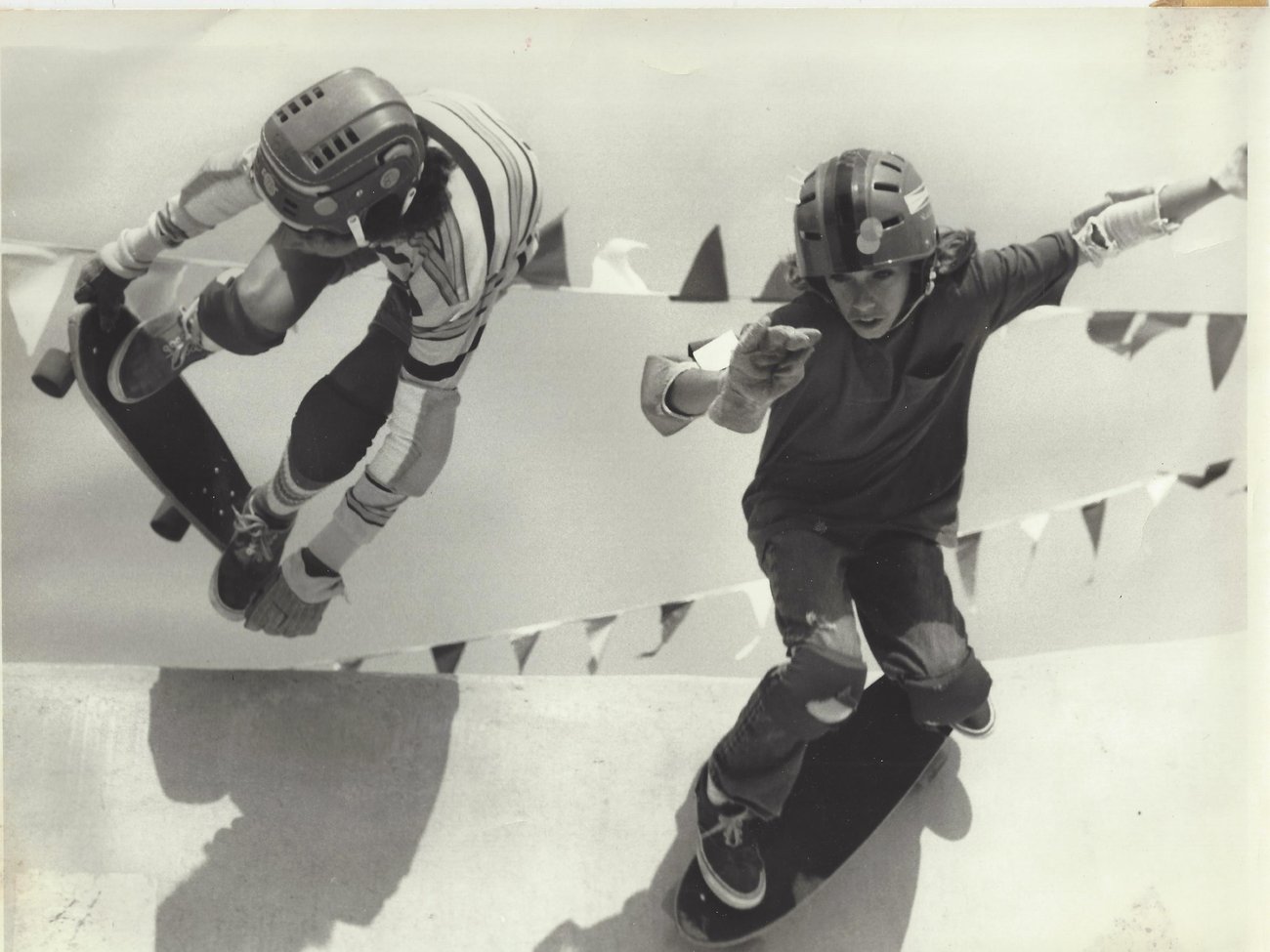
He saw something. It bothered him. So he built something.
The same thing happened with RC cars. He went to a toy show in Long Beach, saw the little cars, bought some, took them home and started figuring them out. The instructions were in Japanese. He couldn't read them.
Didn't matter.
He figured them out anyway.
Then he built a track. Then he started racing. Eventually, that became Little Baja.
That's how Lou operated. He wasn't afraid of not knowing how to do something. He'd just start figuring it out.
The Business Of Figuring It Out
Lou's formal education in business was pretty limited. His real education came from doing things.
He wanted to be an Air Force pilot, but an injury changed that plan. He went to work at Bank of America, then Union Bank. He had a good, stable career.
And then he walked away from it.
Music. Entertainment. Publishing. Events. Racing.
A lot of people would look at that and think he was taking some pretty big chances.
Lou looked at it differently.
His parents had taught him that if you wanted something, you had to figure out how to make it happen. His family had left Peru in 1948, spent time in Argentina and eventually came to the United States. His dad had been a dairy owner, then became a bus driver, a dentist and a busboy. His mother became a seamstress and worked with people in the studios and design world.
They didn't have a straight line.
They made things work.
Lou did the same thing.
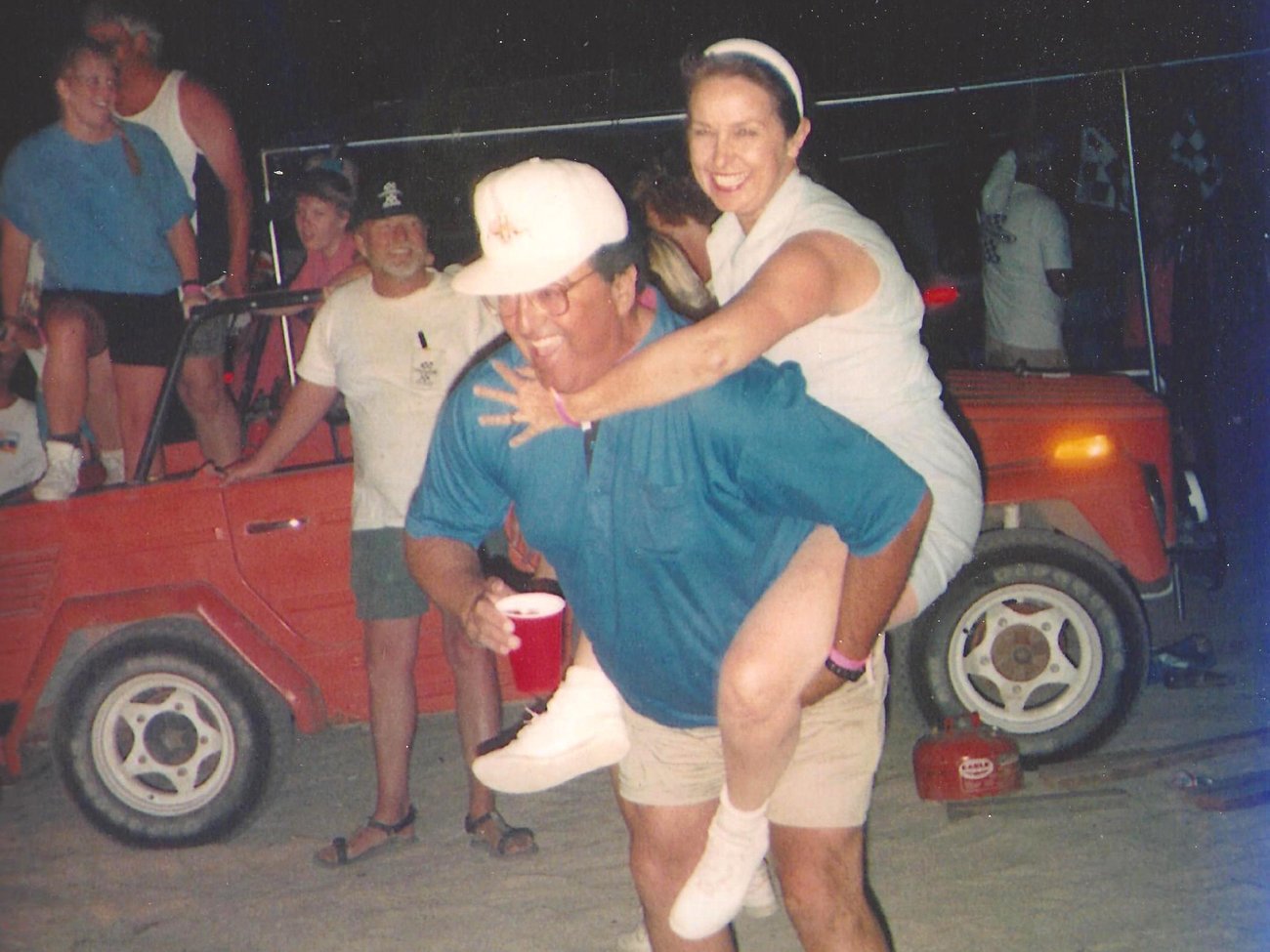
Lois
Of course, none of this story makes much sense without Lois.
They got married when they were incredibly young. Lou was 18. Lois was 16. They were married for 56 years.
When Lou decided to leave banking, Lois was there. When he started putting on races in Mexico, she was there. When the family got into publishing, she was there. When the next crazy idea showed up, she was there.
Lou knew it.
"I don't know if I could have done it without her."
There are a lot of stories about people who build businesses. The stories sometimes make it sound like one person had the vision and everybody else simply followed.
Lou's story wasn't like that.
It was a family.
And Lois was at the center of it.
Baja Was Different
For Lou, Baja was never just another place to hold a race.
He loved the place. The people. The landscape. The freedom.
But he also worried about what was happening to it.
He believed racers had a responsibility to take care of the places they used. He told me about riding with a local official who threw a beer can out of a vehicle.
Lou stopped.
He got out.
And he picked it up.
It wasn't complicated.
If you love a place, don't trash it.
That was his attitude.
And he believed racing could actually help protect access to Baja if the people involved did it right.
His idea was to create permanent off-road courses—125, 250, 350, 500, 750 and 1,000 miles—that could be used by organized races as well as regular people who simply wanted to explore.
He could see the potential.
You could ride from one end of the peninsula to the other.
Not just for a race.
For the experience.
That was what Lou wanted people to understand about Baja. It wasn't just a racecourse. It was a place worth experiencing.
He Still Had Ideas
The funny thing about talking to Lou was that even after everything he'd done, he wasn't really interested in talking about the past.
He wanted to talk about what was next.
UTV racing. New events. The possibility of UTV versions of the Baja 500 and Baja 1000. New ways to get people involved. New ways to keep the sport moving.
He had spent his entire life doing that.
Why would he stop now?
Even when he talked about the difficult things he'd been through, he usually came back to the same idea.
Keep moving.
Get to the summit.
Then figure out what's on the other side.
What Lou Left Behind
It's easy to look at someone's life after they're gone and start putting everything into neat categories.
Racer.
Promoter.
Publisher.
Entrepreneur.
Visionary.
But Lou never really fit neatly into any of those.
He was a guy who liked dirt bikes.
Then he became a racer.
Then a promoter.
Then a publisher.
Then a businessman.
Then something else.
The next idea was always waiting.
And maybe that's why his legacy isn't really about one event or one company.
It's about the people.
The Mexican racer who got a chance to compete because the entry fee was affordable. The kid who grew up riding with his dad. The family that spent a weekend in San Felipe. The racer who eventually became a promoter. The person who picked up an idea from Lou and decided to try something of their own.
Those are the things that are harder to measure.
But they're probably the things that matter most.
Near the end of our conversation, Lou gave me some advice for anybody wanting to get into the off-road business.
Learn the business. Understand the people. Understand the manufacturers. And love what you're doing.
"Have a passion for it," he said.
Then he put it even more simply.
"If you have a passion for it, there's nothing that can stop you. Only your own talent."
That's a pretty good way to sum up Lou Peralta.
He wasn't afraid to try. He wasn't afraid to fail. And he certainly wasn't afraid to start over.
He just kept moving.
One race. One magazine. One business. One crazy idea at a time.
Until he finally reached the summit.
Rest easy, Lou.
And thank you for showing all of us what was possible if we were willing to give it a shot.